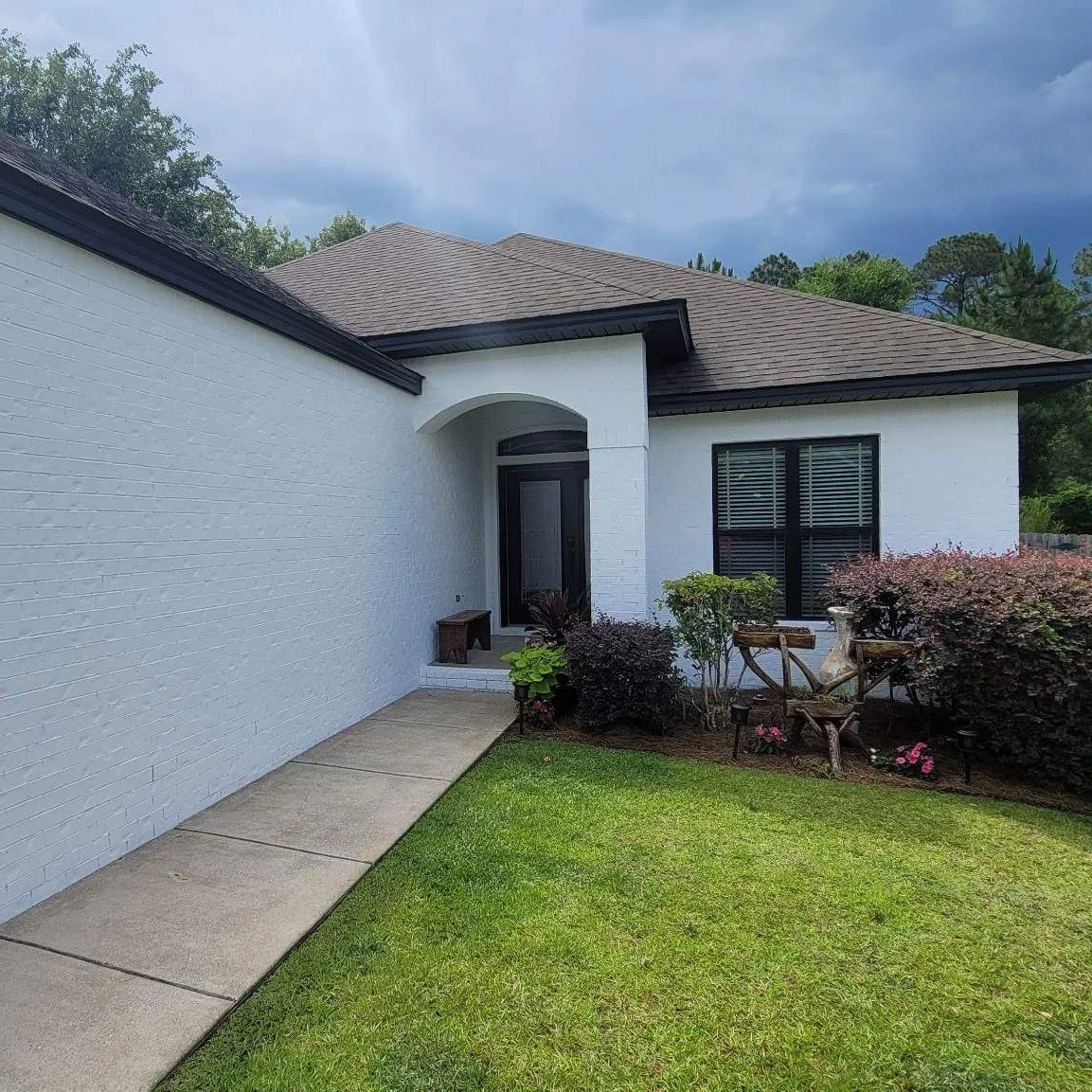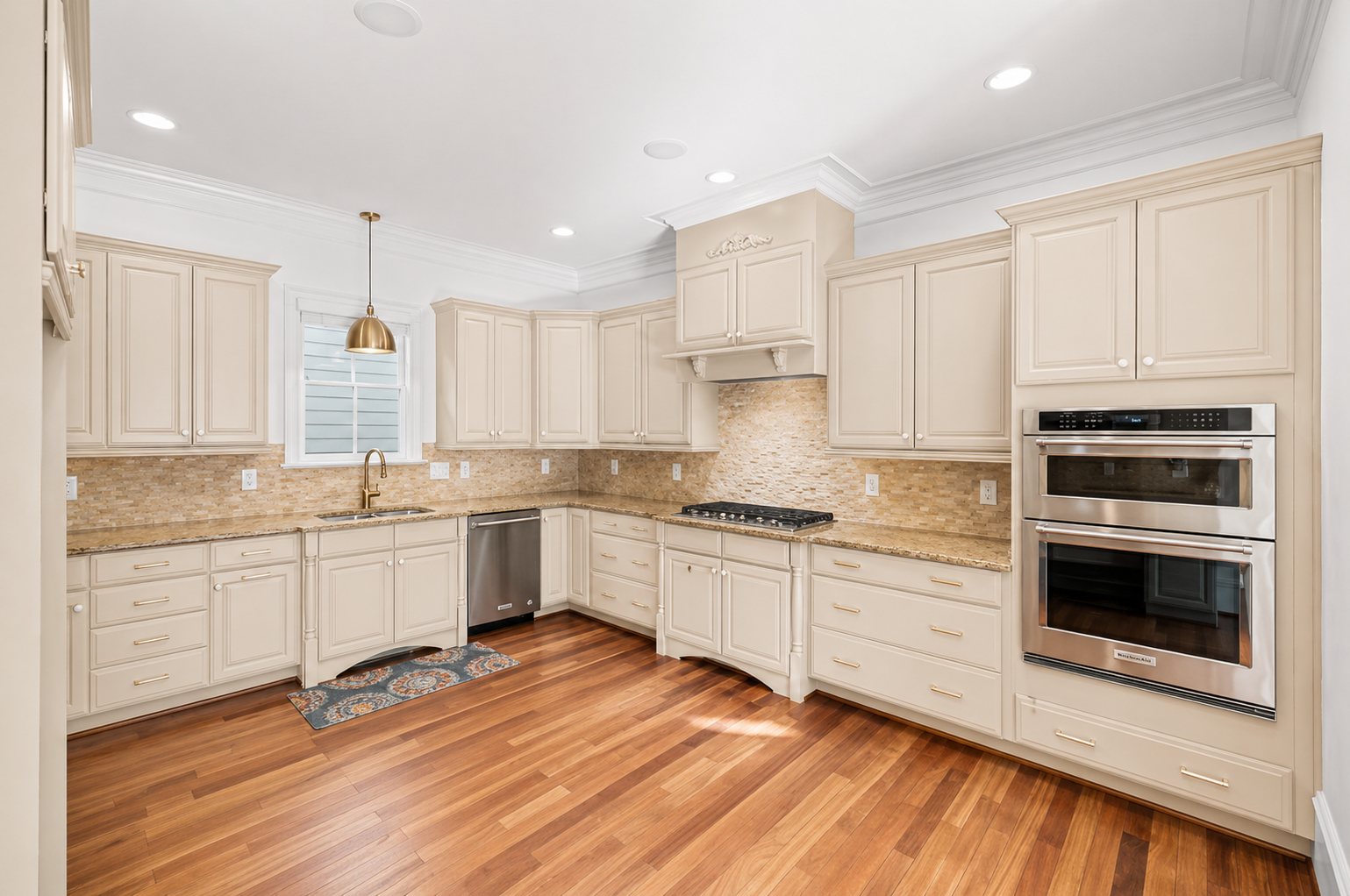
Transform your kitchen with a fresh coat of paint and give it a whole new look and feel.
Make it stand out.
-
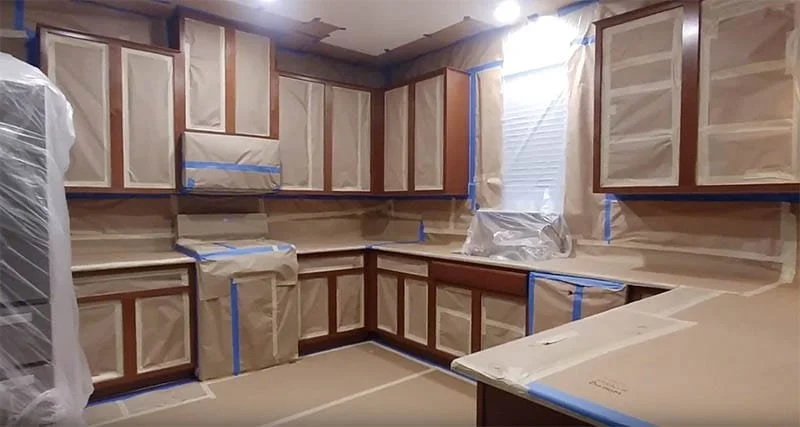
Prepping
Prepping a kitchen before painting is important because it helps the paint adhere properly, creates a smoother finish, and increases the durability of the paint job. Kitchens accumulate grease, food residue, dust, and moisture, which can prevent paint from bonding well and lead to peeling or uneven coverage. Proper preparation—such as cleaning surfaces, repairing damage, sanding rough areas, and protecting countertops, appliances, and floors—also helps achieve a more professional-looking result and reduces the likelihood of needing touch-ups later. In short, good preparation saves time, improves appearance, and helps the paint last longer.
-
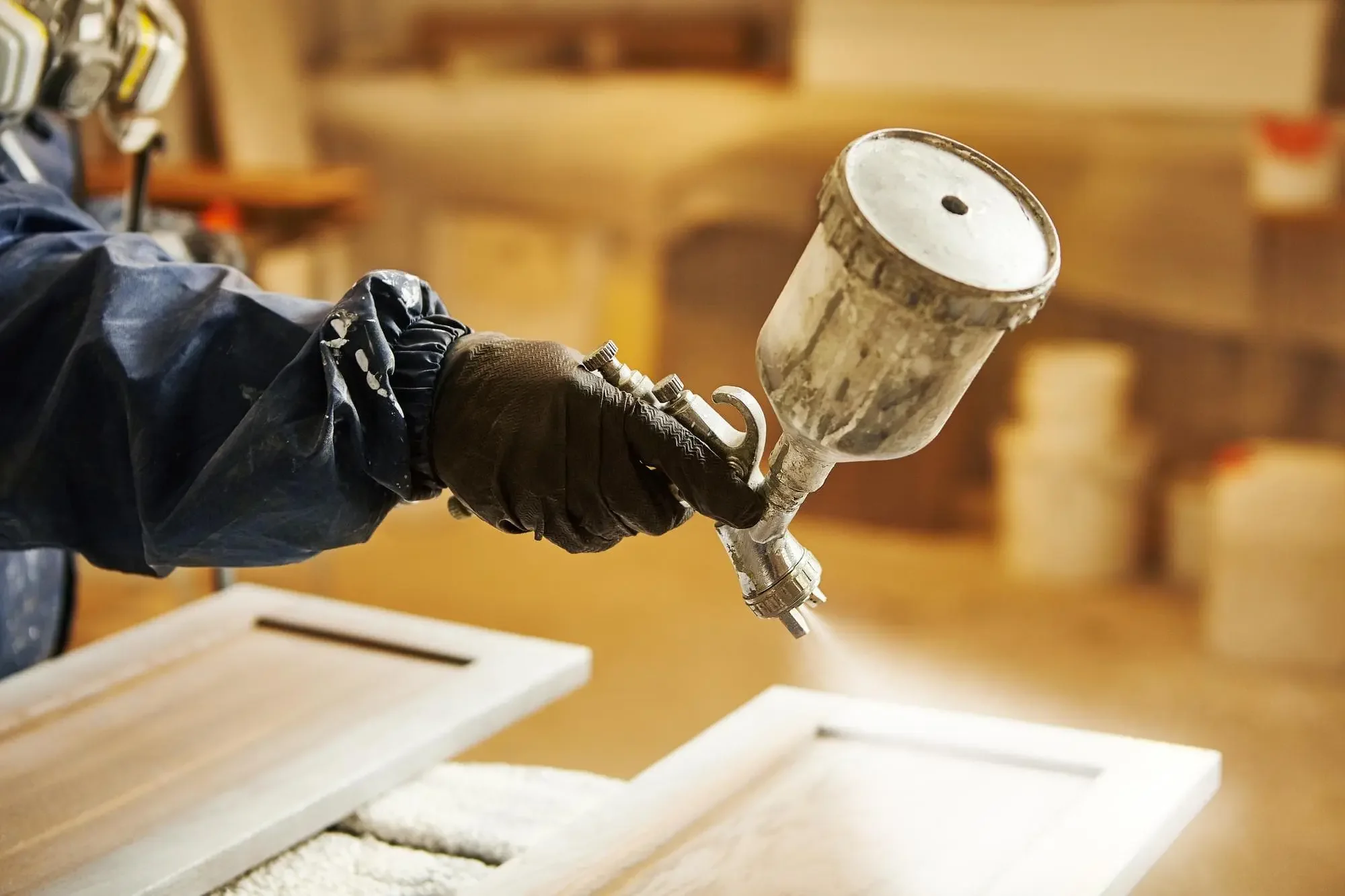
Priming and Painting
Priming and painting kitchen cabinets is an important step in achieving a smooth, professional-looking finish. Primer helps seal the surface, improves paint adhesion, and blocks stains or wood tannins from bleeding through. After priming, applying paint in even coats provides a durable, attractive finish that can withstand daily wear, moisture, and cleaning. Proper priming and painting not only enhance the appearance of the cabinets but also extend their lifespan and improve the overall look of the kitchen.
-
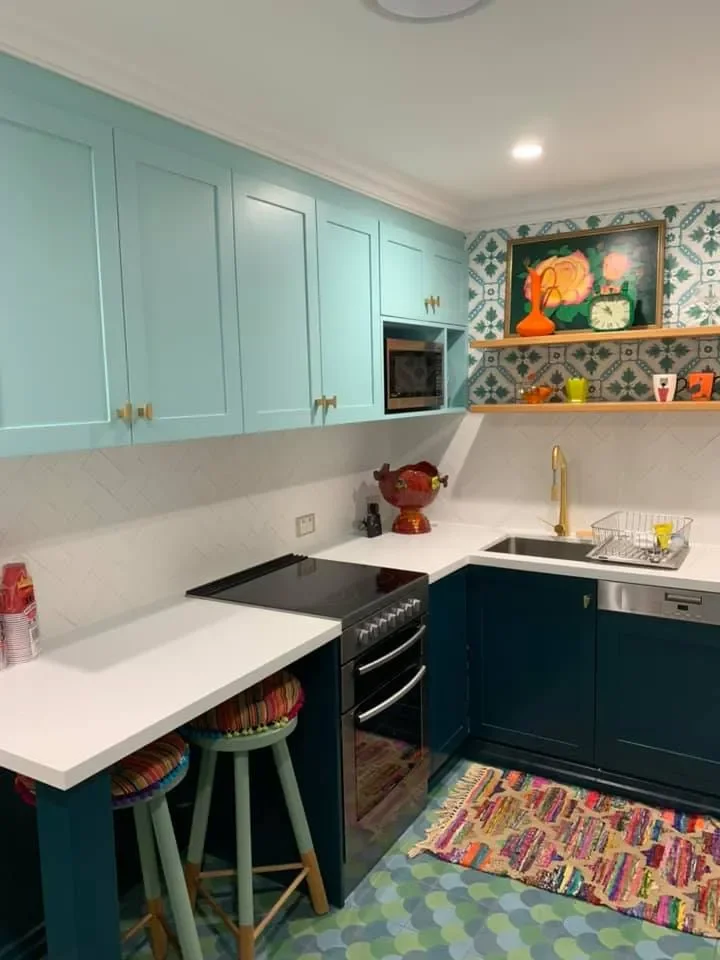
Reassembling
Reassembling kitchen cabinets after painting involves carefully reinstalling all cabinet doors, drawers, and hardware once the paint has fully cured. This step ensures proper alignment, smooth operation, and a finished, professional appearance. Taking care during reassembly helps protect the new paint finish and restores the cabinets to full functionality.
CONTACT